
The Intersection of Luxury and Sustainability
As we move forward into 2026, the trend in home exterior design has shifted from mere aesthetics to 'conscious luxury.' Homeowners are no longer choosing between high-end visual appeal and environmental responsibility; they are demanding both. Sustainable outdoor lighting is at the forefront of this movements, blending cutting-edge LED efficiency with timeless elegance.
Creating a sustainable garden oasis doesn't mean sacrificing the mood or atmosphere. In fact, the latest advancements in LED technology allow for more precise control over ambiance than ever before, while drastically reducing the carbon footprint of your summer celebrations.
1. The Power of High-Efficiency LEDs
The primary pillar of sustainable lighting is the transition to ultra-efficient LED chips. Unlike traditional incandescent bulbs—which waste up to 90% of their energy as heat—modern LEDs convert almost all energy into light. For a large garden setup, this means you can illuminate your entire perimeter with a fraction of the power previously required.
Beyond energy savings, the longevity of high-grade LEDs minimizes electronic waste. A well-manufactured LED candle or string light can last for years without replacement, reducing the cycle of consumption and disposal that plagues lower-quality alternatives.
2. Integrating Solar Harmony
One of the most effective ways to achieve a zero-emission lighting setup is through solar integration. Modern solar cells have become significantly more efficient, capable of storing enough energy during a single summer day to power high-brightness LEDs throughout the night.
- Solar Fairy Lights: Perfect for draping over pergolas or twisting around ancient oaks. They provide a soft, ethereal glow without requiring any wiring or electricity from the grid.
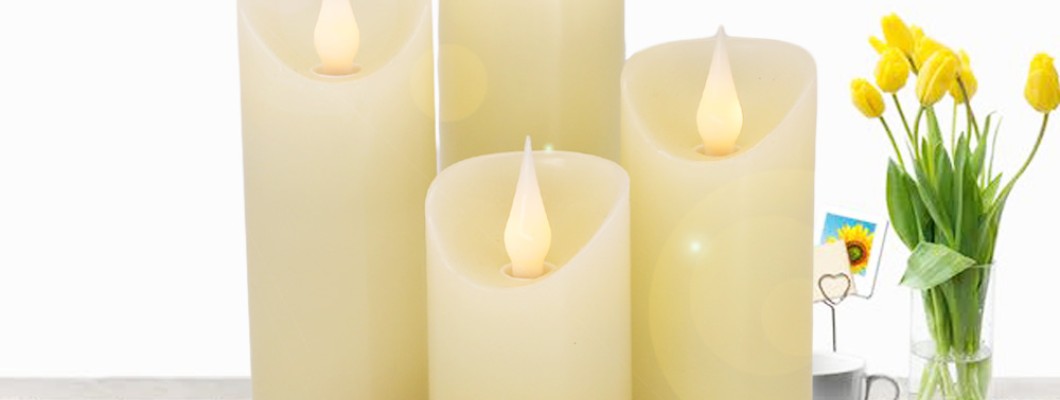
- Solar Flameless Candles: Ideal for dining tables and pathways. These combine the classic flicker of a candle with a solar-charged battery, ensuring your evening dinner is both romantic and eco-friendly.
3. Designing for 'Dark Sky' Compliance
True sustainability also means considering the local ecosystem. Light pollution disrupts wildlife—particularly migrating birds and nocturnal insects. A sustainable luxury design employs 'shielded' or 'downward-facing' lighting.
Instead of using powerful floodlights that blast light into the sky, use focused accent lights and soft-glow LED candles. By directing light only where it is needed (on paths, tables, and key architectural features), you preserve the beauty of the starry night while enhancing the intimacy of your garden space.
Practical Tips for an Eco-Luxury Upgrade
If you are looking to transition your existing lighting to a more sustainable model, consider these steps:
- Switch to Warm White: 2700K is the golden standard for luxury. It feels natural, welcoming, and pairs perfectly with moonlit gardens.
- Use Timers and Sensors: Ensure your lights are only active when guests are present. Smart timers prevent energy waste during early morning hours.
- Invest in Quality Materials: Choose lighting housings made from recycled plastics or durable metals that can withstand the elements, reducing the need for frequent replacements.
Conclusion
Luxury in 2026 is defined by the harmony between human comfort and planetary health. By embracing energy-efficient LEDs, integrating solar power, and designing with ecological mindfulness, you can create an outdoor space that isn't just beautiful to look at, but a place where you can feel proud of your environmental footprint. Your garden should be a sanctuary—for you, and for the nature surrounding it.
Leave a Comment